
Twitter bio ideas
Unique Twitter Bio Ideas for Professionals and Creators

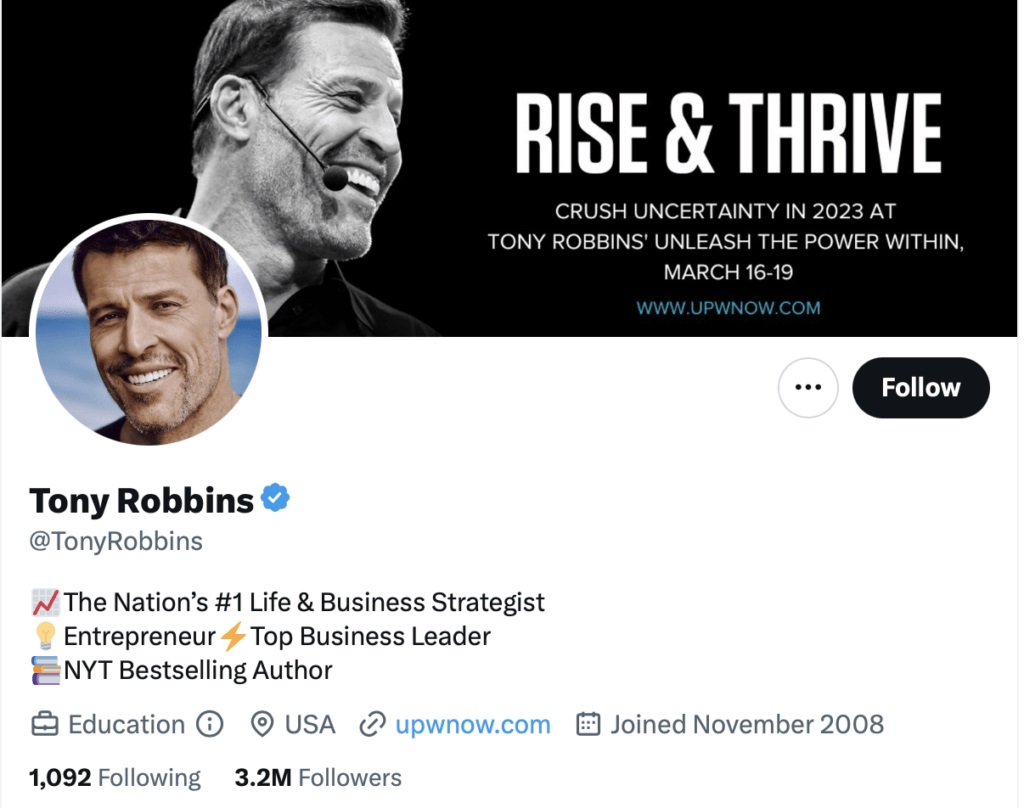
Your Twitter bio is a powerful space that introduces you to the world in just a few words. It shapes how people see you and determines whether they hit the follow button. For professionals and creators, a unique bio can make the difference between blending in or standing out.
In today’s fast-paced digital environment, first impressions matter more than ever. A creative and professional bio helps you showcase personality, expertise, and authenticity all at once. It ensures that visitors instantly understand who you are and what you bring to the platform.
Balancing professionalism with creativity allows your Twitter bio to serve as both a branding tool and a personal introduction. This article explores unique ideas tailored for professionals and creators to help you craft a bio that captures attention and builds meaningful connections.
Professional Bio Ideas
Highlight Your Role
Professionals should clearly present their role in their bio. A direct mention of your position or specialization establishes authority quickly. This clarity signals to visitors that your profile is relevant to their interests. By stating your role upfront, you make it easy for people to know your value. This approach strengthens your digital identity and credibility.
Add Career Achievements
Mentioning achievements adds depth and authority to your bio. Awards, recognition, or years of experience can make your profile trustworthy. Achievements provide proof of your expertise and highlight your impact in the industry. They show you are not only active but also accomplished in your field. Such details encourage followers to see you as reliable.
Mention Professional Interests
Professional interests make your bio more relatable. Stating areas of focus such as marketing, design, or finance creates a connection with others. It also helps define what kind of conversations and content you are likely to share. Interests add personality without losing professionalism. They attract peers who share similar passions and goals.
Creative Bio Ideas
Use Humor Wisely
Humor makes your bio more approachable and memorable. A funny line or playful wording shows personality while staying professional. It ensures your profile feels welcoming and easy to connect with. Humor also makes people curious about your content. The right balance can leave a strong impression that sets you apart.
Add Playful Language
Playful language adds charm and originality to your bio. Using clever phrasing or puns makes your profile more engaging. It shows creativity and confidence, especially for creators. Wordplay helps you stand out in a crowded space. When used thoughtfully, it ensures people remember your account.
Examples of Creative Bios
- Engineer of ideas fueled by coffee
- Building stories one tweet at a time
- Mixing design passion and a pinch of chaos
Minimalist Bio Ideas
Keep It Clean
Minimalist bios focus on simplicity and precision. Instead of long descriptions, they highlight only the essentials. This approach communicates confidence and clarity. It makes your profile easy to read and visually neat. A clean bio leaves no room for confusion.
Short Descriptive Statements
Short statements capture attention quickly. They deliver your identity in just a few words. Phrases like Writer Creator Dreamer show exactly who you are. This brevity makes your bio more impactful. It communicates identity without unnecessary detail.
Focus on Keywords
Minimalist does not mean vague, it means efficient. Strong keywords like strategist or photographer give clarity instantly. These terms improve search visibility on Twitter. Keywords also ensure your profile connects with the right audience. They keep your bio simple yet professional.
Personal Touch Bio Ideas
Share Your Values
Values in your bio highlight what you stand for. They reveal your mindset and principles to potential followers. Phrases like lifelong learner or advocate for change create authenticity. Values make your bio more meaningful. They encourage people to connect beyond professional reasons.
Mention Hobbies
Hobbies bring a personal side to your bio. They make your profile more relatable and engaging. Whether it is reading, traveling, or fitness, hobbies show individuality. They can spark conversations with like-minded followers. Including them makes your bio feel warm and approachable.
Mix Personality with Purpose
Combining fun traits with professional focus makes your bio balanced. A line like Designer Traveler Storyteller shows both passion and profession. This style creates relatability while keeping purpose intact. It ensures people see you as multi-dimensional. Such balance attracts diverse audiences effectively.
Examples of Personal Bios
- Marketing strategist cat lover aspiring chef
- Writer by day traveler by heart
- Creative thinker chasing big ideas
Business and Brand Bio Ideas
State Your Mission
A strong mission statement communicates purpose clearly. It tells people why your business or brand exists. Missions create an emotional connection with your audience. They also show what drives your work every day. A mission-centered bio builds loyalty and trust.
Add a Call-to-Action
A call-to-action encourages people to take the next step. Simple prompts like Follow for tips or Visit our site guide visitors effectively. CTAs make your bio interactive instead of passive. They show you value engagement with your audience. This small addition can increase results significantly.
Show Unique Strengths
Your unique strengths differentiate you from others. Highlighting qualities like innovation or eco-friendliness sets your brand apart. Unique strengths help people remember your profile. They also give followers a reason to choose you over competitors. This distinctiveness makes your bio stronger.
Examples of Brand Bios
- Helping professionals master productivity
- Your source for daily creative inspiration
- Crafting designs that tell stories
Influencer Bio Ideas
Define Your Niche
Influencers should clarify their niche for credibility. A niche shows what type of content followers can expect. Stating focus areas like travel or tech creates alignment. It also helps brands identify collaboration opportunities. A clear niche strengthens your authority.
Add Proof of Impact
Proof of impact builds trust and reliability. Mentioning milestones, features, or community size adds authority. It shows you already influence and engage audiences. Proof also reassures potential collaborators of your value. This makes your profile more attractive to both brands and followers.
FAQs
How do I write a professional Twitter bio?
A professional bio should clearly state your role, expertise, and achievements while keeping it concise and engaging for your audience.
Can I mix humor with professionalism in my Twitter bio?
Yes, adding a touch of humor can make your bio more relatable. Just ensure it still reflects your professional credibility and brand image.
Should creators use hashtags in their Twitter bios?
Hashtags can help with discoverability, but using too many looks unprofessional. Stick to one or two relevant hashtags for better impact.
How often should I update my Twitter bio?
It’s a good idea to refresh your bio whenever your role, projects, or goals change. Regular updates help your profile stay current.
Is it okay to add a website link in a Twitter bio?
Yes, adding a link is highly recommended. It drives traffic to your website or portfolio and gives followers a way to connect with you.
Conclusion
A unique Twitter bio helps professionals and creators communicate identity, values, and personality in just a few words. By choosing the right style, professional, creative, minimalist, personal, brand-focused, or influencer, you can stand out in a crowded platform. The right bio builds credibility, relatability, and engagement. With clarity and creativity, your Twitter bio can become a powerful tool that draws attention and encourages meaningful connections.

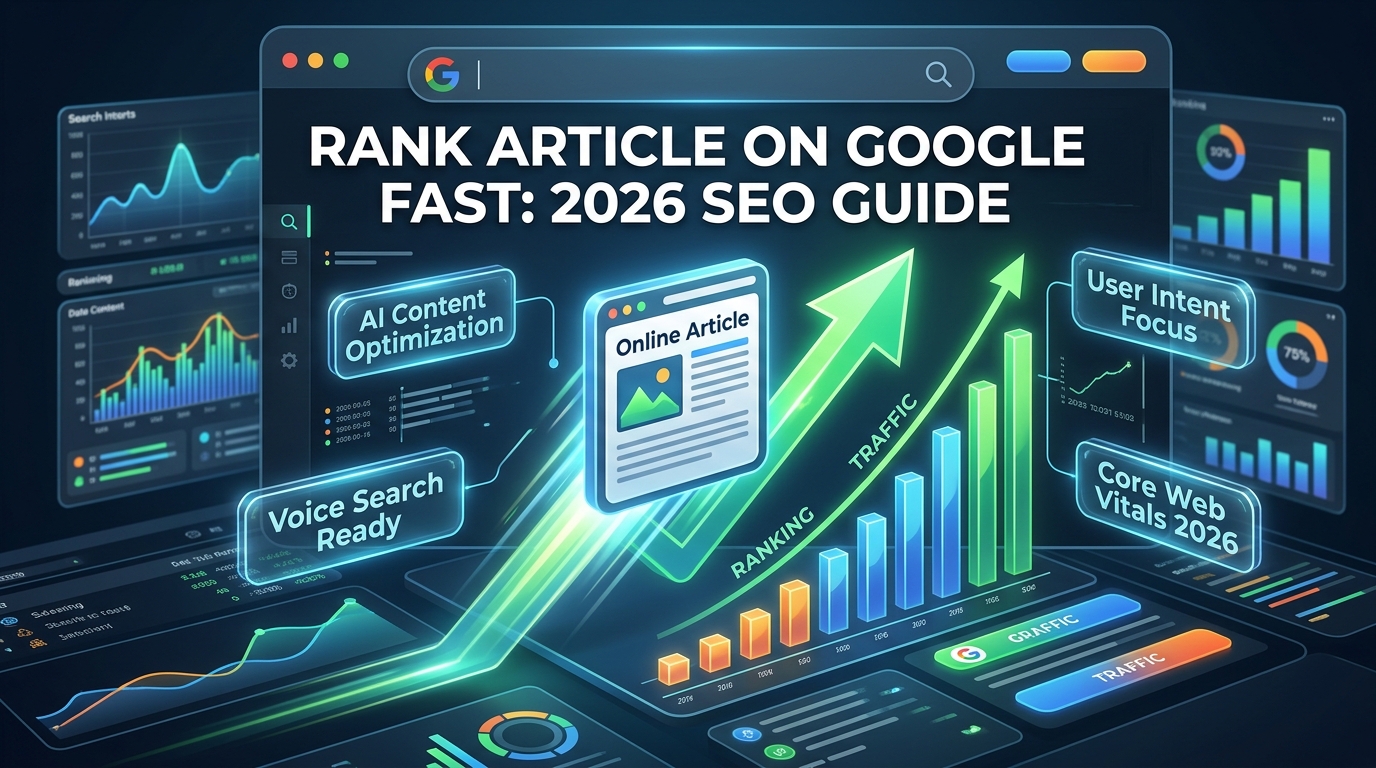
Google’s search landscape in 2026 looks nothing like it did five years ago. With AI Overviews now dominating the top of search results, zero-click searches eating into traffic, and Google’s ranking systems becoming sharper at detecting thin or recycled content, the question isn’t just can you rank it, it’s how do you earn a place in a system built to reward genuine expertise? The rules have shifted.
Keyword stuffing is dead. Generic content is invisible. But here’s the truth: high-quality, strategically written articles still rank, and they rank well. This guide walks you through every step from keyword research to technical signals so you can finally get your article on Google’s first page in 2026 and keep it there.

Featured Snippet Quick Answer Box
How do you rank an article on Google in 2026?
To rank an article on Google in 2026:
- Target a specific, search-intent-matched keyword with manageable competition.
- Write content that demonstrates E-E-A-T (Experience, Expertise, Authoritativeness, Trustworthiness).
- Structure your article with clear H1–H3 headings, a Featured Snippet-ready answer, and NLP-optimized language.
- Build topical authority by covering related subtopics thoroughly.
- Earn backlinks from relevant, authoritative domains.
- Optimize for Core Web Vitals and mobile experience.
- Update your content regularly to maintain freshness signals.
Why Ranking an Article on Google in 2026 Is Both Harder and More Achievable
Let’s be direct: the SEO landscape in 2026 is competitive. Google processes over 8.5 billion searches per day, and AI-generated content has flooded the web, creating what many SEO professionals call a “content tsunami.” At the same time, Google has doubled down on its commitment to surfacing genuinely helpful content through its Helpful Content System, Search Quality Rater Guidelines, and the expanded E-E-A-T framework.
The irony is that this creates opportunity. Because so much published content is AI-slop generic, surface-level, and missing real human experience content that actually demonstrates expertise and first-hand knowledge stands out more than ever. Google’s systems in 2026 are sophisticated enough to understand semantic context, entity relationships, and author credibility. They reward depth, not just density.
For publishers at TechyUpdate.com and similar tech-focused properties, this means your best path to ranking an article on Google is not to game the algorithm it’s to serve your reader so well that the algorithm has no choice but to rank you. Every section of this guide is built around that principle.
There’s also the rise of AI Search (Google SGE / AI Overviews) to factor in. More searches now return AI-generated summaries at the top of the page. Getting your content cited inside these overviews has become a new form of ranking one that requires structured, citable, fact-rich writing. We’ll cover how to optimize for this throughout the guide.
What this means practically is that the same effort you once spent on keyword density now needs to be redistributed: more time on genuine research, clearer article structure, stronger topical coverage, and building a content ecosystem around your core topics. The basics of SEO still matter — they’re just the floor, not the ceiling.
Start with Search Intent — It’s Everything in 2026
Before you write a single word, you need to understand why someone is searching your target keyword. Search intent is Google’s north star. If your content doesn’t match what the searcher actually wants, no amount of backlinks or technical optimization will save you.
Google classifies search intent into four categories:
- Informational — The user wants to learn something. (“How to rank an article on Google”)
- Navigational — The user is looking for a specific site or page.
- Commercial — The user is comparing options before a decision. (“Best SEO tools 2026”)
- Transactional — The user wants to make a purchase or complete an action.
For the keyword “rank article on Google,” the intent is clearly informational-educational with a strong action-oriented undertone. The user wants a guide, not a product page. Your article structure should reflect this: step-by-step, comprehensive, and practical.
How to Analyze Intent Before Writing
Look at what’s already ranking for your target keyword. Open an incognito browser, search your primary keyword, and examine the top five results. Ask yourself: Are these long-form guides or short blog posts? Do they use numbered steps? Are there comparison tables or FAQ sections? The format of existing top-ranking content is Google’s clearest signal about what it wants to see.
Also, look at “People Also Ask” boxes and “Related Searches” at the bottom of the results page. These are NLP goldmines they tell you exactly what sub-questions your article needs to answer to satisfy full search intent and capture featured snippets.
Keyword Modifiers That Signal Strong Intent
Long-tail variations of “rank article on Google” that carry strong intent include:
- How to rank an article on the Google first page
- How to rank a blog post on Google fast
- Get the article on Google top results 2026
- Rank a new article on Google without backlinks
Targeting these modifiers as H2 or H3 subheadings within a comprehensive article naturally widens your keyword footprint without forcing unnatural repetition.
Conduct Deep Keyword Research Using Semantic SEO
Keyword research in 2026 goes far beyond finding a phrase with decent volume and low difficulty. Modern SEO requires building a semantic web of related terms, entities, and concepts that signal to Google your content is genuinely thorough and authoritative on the topic.
Tools like Ahrefs, Semrush, or Google’s own Search Console will give you the primary data. But the deeper work involves identifying LSI (Latent Semantic Indexing) keywords and NLP-relevant entities that naturally appear in expert-level writing about your topic.
For an article about how to rank an article on Google, your semantic cluster should include terms like:
- on-page SEO optimization
- Google Search Console indexing
- core web vitals and page experience
- E-E-A-T signals
- backlink acquisition
- content freshness and update frequency
- topical authority
- internal linking structure
- featured snippets and structured data
- Google’s Helpful Content System
Building a Keyword Map for Your Article
A keyword map assigns specific keywords to specific sections of your article. This prevents cannibalization and ensures every section earns its ranking potential. Your H2 headings should target secondary or long-tail variations of your primary keyword, while H3S cover supporting concepts. Use your primary keyword naturally in the first 100 words, the main H2 headings, the meta description, and the conclusion — but never at the cost of readability.
One technique experienced content strategists use is “entity salience,” ensuring that the most important concepts (entities) in your topic are mentioned with appropriate frequency and context so that Google’s NLP models can accurately place your content in the right topic cluster.
Write Content That Demonstrates E-E-A-T at Every Level
Google’s E-E-A-T framework — Experience, Expertise, Authoritativeness, Trustworthiness — is not a checklist. It’s a philosophy that runs through every element of your article and your site. In 2026, with AI content everywhere, demonstrating genuine human experience and credentials is a competitive advantage.
Experience
Google added the first “E” to EAT in late 2022, and its importance has only grown. Experience means showing that you’ve actually done the thing you’re writing about. In an SEO article, this means referencing specific results you’ve achieved, tools you’ve used, mistakes you’ve made, and lessons learned. A sentence like “When we tested this approach on a client’s B2B tech blog, organic traffic increased 47% over four months” is worth more than three paragraphs of general advice.
First-person anecdotes, case studies, and original data are your best tools here. If you’ve never personally ranked an article, interview someone who has. Synthesis of genuine experience carries E-E-A-T weight even when it’s attributed.
Expertise
Expertise shows through depth, accuracy, and nuance. Experts don’t just state what to do — they explain why, acknowledge complexity, and address edge cases. In a guide about ranking articles on Google, expertise looks like discussing the difference between how Google crawls new domains versus established ones, or why backlinks from topically relevant sites carry more weight than links from high-DA but unrelated pages.
Cite data. Reference Google’s official documentation. Link to reputable SEO research. These signals tell both readers and Google’s Quality Raters that your content was written by someone who knows the landscape deeply.
Authoritativeness and Trustworthiness
These are largely site-level signals, but content contributes directly. Authoritativeness comes from backlinks, mentions, and citations from other respected sources. Trustworthiness is built through transparency: clear author bylines with credentials, accurate publication and update dates, honest disclosure of affiliate relationships or sponsored content, and citations for any statistics you use.
An article on a site with strong E-E-A-T signals will rank faster and hold its position longer than the same article on an anonymous, credibility-thin domain — even if the on-page content is identical.
Structure Your Article for Google’s NLP and Featured Snippets
How you organize your article is as important as what you put in it. Google’s algorithms parse structure to understand content hierarchy, extract featured snippet answers, and generate AI Overview citations. A well-structured article is easier to read for humans and easier to parse for machines.
The Ideal Article Structure for 2026
A high-ranking article should follow this structural pattern:
- Hook Introduction (100–150 words) — Establishes relevance and hooks the reader.
- Featured Snippet Answer Box — A 40–60 word direct answer to the main query, often formatted as a numbered list.
- H2 Sections with 250–350 words each, covering major subtopics.
- H3 Subsections that address specific questions within each H2.
- Comparison Table (where relevant) — Aids readability and increases snippet potential.
- FAQ Section — Voice-search optimized, conversational questions.
- Conclusion with a clear call to action.
Writing for Featured Snippets
Featured Snippets appear above organic results and are increasingly absorbed into AI Overviews. To optimize for them, identify the most common question format for your keyword and write a direct, concise answer immediately below the relevant heading. Use the exact phrasing of the question in your heading when natural (“What Is Topical Authority in SEO?”), then answer it in 2–4 sentences or a 5–7 item bulleted list.
Format consistency matters. Google tends to pull snippet content that starts immediately below a heading, is formatted without excessive HTML clutter, and directly matches the phrasing of common search queries.
Using Headers to Signal Semantic Depth
Your heading hierarchy tells Google’s crawlers what your content is about in a structural sense. Use H2s for major topic branches and H3s for specific aspects of those branches. Avoid heading inflation — not every sentence needs to be bolded or titled. Sparse, meaningful heading usage actually communicates more authority than a heading every two paragraphs.
On-Page SEO Fundamentals That Still Carry Weight
Even in 2026, the fundamentals of on-page SEO remain a non-negotiable foundation. They may not be sufficient on their own, but neglecting them will cap your ranking potential regardless of how good your content is.
Title Tag and Meta Description
Your title tag (SEO title) should be under 60 characters, lead with the primary keyword, and include a benefit or differentiator that makes searchers click. “Rank Article on Google Fast: 2026 SEO Guide” is more click-worthy than “How to Rank an Article on Google.”
Your meta description (under 150 characters) should include your primary keyword naturally, hint at the solution, and end with an implicit call to action. Meta descriptions don’t directly impact rankings, but they heavily influence click-through rate — and CTR does influence rankings.
URL Structure
Clean, keyword-rich URLs perform better. Use hyphens, not underscores. Keep the slug short and specific: /how-to-rank-article-on-google is ideal. Avoid dates in URLs for evergreen content, as they signal potential staleness.
Internal Linking
Internal links distribute page authority across your site and signal to Google which pages are topically related. For every article you publish, link to 3–5 other relevant articles on your site. Use descriptive anchor text — not “click here” but “on-page SEO techniques” or “Google Core Web Vitals guide.” This also keeps users on your site longer, improving behavioral signals.
Image Optimization
Every image needs a descriptive, keyword-informed alt text, a compressed file size (WebP format preferred), and a relevant file name. Images that load slowly hurt Core Web Vitals scores, which directly impacts rankings through Google’s Page Experience signals.
Build Backlinks That Actually Move Rankings
Backlinks remain one of Google’s top three ranking factors in 2026. But quality has decisively overtaken quantity. A single backlink from a respected industry publication can outweigh fifty links from low-authority directories.
The Types of Backlinks Worth Pursuing
- Editorial links — Earned when other content creators reference your article as a source.
- Guest posts — Publishing original articles on relevant sites with a link back.
- Digital PR — Creating original research, data studies, or newsworthy content that journalists and bloggers naturally cite.
- Broken link building — Finding broken links on authoritative sites and suggesting your content as a replacement.
- Resource page links — Getting listed on “Best Resources for X” pages in your niche.
How to Earn Links to a New Article
Start with your internal network: share the article in relevant online communities (Reddit, LinkedIn, Slack groups for your niche) where it genuinely adds value. Reach out personally to people mentioned or quoted in the article — they often share or link to content that features them.
Create a “linkable asset” within the article itself: original data, a unique framework, a comprehensive checklist, or an expert roundup. These formats naturally attract inbound links because they give other writers something specific and credible to reference.
Consistency matters more than volume. Publishing one genuinely excellent, well-promoted article per month will outperform publishing ten shallow articles with no promotion strategy.
Technical SEO and Core Web Vitals — Don’t Skip This
Technical SEO is the infrastructure your content sits on. Even perfectly written content with strong backlinks will underperform if technical issues prevent Google from properly crawling, indexing, and rendering your pages.
Core Web Vitals in 2026
Google’s Core Web Vitals measure three dimensions of user experience:
| Metric | What It Measures | Good Score |
|---|---|---|
| LCP (Largest Contentful Paint) | Loading performance of main content | Under 2.5 seconds |
| INP (Interaction to Next Paint) | Responsiveness to user input | Under 200ms |
| CLS (Cumulative Layout Shift) | Visual stability of the page | Under 0.1 |
INP replaced FID (First Input Delay) as a Core Web Vital in 2024 and remains the metric most publishers struggle with in 2026. Use Google’s PageSpeed Insights and Search Console’s Core Web Vitals report to identify and fix issues.
Indexing: Getting Your Article on Google Fast
Before your article can rank, it must be indexed. Submit your new article’s URL directly through Google Search Console’s URL Inspection tool and request indexing. Make sure your sitemap is up to date and submitted. Check that your robots.txt file isn’t accidentally blocking the page.
For brand-new domains or low-crawl-frequency sites, building internal links to the new article from already-indexed, higher-authority pages on your site will signal Google’s crawlers to find and index it faster.
Mobile-First Is Non-Negotiable
Google indexes the mobile version of your site first. If your article looks great on desktop but breaks on mobile — cramped text, overlapping elements, tiny tap targets — your rankings will reflect that. Test every article on multiple mobile screen sizes before publishing.
Content Freshness and Update Strategy
Google values freshness signals for topics where information changes regularly. A guide about SEO written in 2022 and never updated will gradually lose rankings to fresher alternatives, even if the original was excellent.
Build an update schedule into your content calendar. For evergreen content like this article, plan a review every 6–12 months. Add a “Last Updated” date prominently near the top. Update statistics, replace outdated recommendations, add new sections that address evolving aspects of the topic, and make sure internal links still point to live, relevant pages.
When you update an article, make meaningful changes — don’t just change the date. Google can detect cosmetic refreshes and does not reward them. Substantial updates that add new information, correct outdated claims, and improve comprehensiveness are what trigger re-crawling and potential ranking improvements.
The Freshness-Authority Balance
For newer articles on younger sites, freshness is a stronger signal because domain authority takes time to build. Publishing consistently — even if it’s one quality article per week rather than five thin ones daily — builds crawl frequency, internal link equity, and topical authority faster than sporadic publishing.
Comparison Table: Manual SEO vs. AI-Assisted SEO in 2026
| Factor | Manual SEO | AI-Assisted SEO |
|---|---|---|
| Keyword Research Speed | Slow (2–4 hours) | Fast (20–30 minutes) |
| Content Drafting | High original quality | Requires heavy editing for E-E-A-T |
| Semantic Depth | High when done right | Variable — needs expert oversight |
| Backlink Strategy | Fully manual outreach | AI helps identify targets; outreach still manual |
| Technical Audit | Requires expertise | Tools like Semrush automate most checks |
| Featured Snippet Optimization | Requires deliberate structure | AI tools can suggest formats |
| E-E-A-T Compliance | Strong if author is genuine expert | Weak without human experience layered in |
| Best For | Niche, experience-rich content | Scale with quality control |
The verdict: in 2026, the strongest SEO strategy combines both — use AI tools to handle research, structure suggestions, and audit tasks, but invest human expertise and genuine experience into the substance of your content.
Optimize for AI Search, SGE, and Voice Search
AI Overviews (formerly SGE) have fundamentally changed what “ranking” means for many queries. In some cases, appearing in the AI Overview is more valuable than ranking #1 organically, because the AI summary sits above all organic results.
How to Get Cited in Google’s AI Overviews
Google’s AI Overview system pulls from content that is:
- Factually precise and well-sourced — Cite data, studies, and official documentation.
- Clearly structured — Use headings that match question formats.
- Genuinely authoritative — E-E-A-T signals at the site and page level matter here.
- Concise in its direct answers — AI prefers content that gets to the point before elaborating.
Including a “Quick Answer” block at the top of your article (as this guide does) directly increases your chances of being pulled into AI Overviews and featured snippets.
Voice Search Optimization
Voice searches are longer, more conversational, and almost always phrased as questions. To capture voice search traffic, include a robust FAQ section with questions phrased exactly as someone would speak them (“How do I get my article on Google?”), Answer each question in 1–3 plain-language sentences, and use schema markup (FAQ schema) to signal the structured nature of these Q&As to Google.
For tech-focused sites, this is where resources like TechyUpdate.com‘s SEO guides and digital strategy resources can serve as both reference material and content inspiration providing up-to-date, practitioner-level coverage of rapidly evolving search technologies.
FAQs
How long does it take to rank an article on Google?
A new article on an established site with strong authority can rank within days to weeks for low-competition keywords. For competitive keywords on newer sites, expect 3–6 months of consistent effort before seeing significant organic traffic.
Can I rank an article on Google without backlinks?
Yes, especially for long-tail, low-competition keywords. Strong on-page SEO, genuine topical depth, and proper technical setup can get you ranking without external backlinks — but for competitive keywords, backlinks remain essential.
How do I get my article on Google’s first page?
Focus on matching search intent precisely, demonstrating E-E-A-T throughout your content, targeting keywords where your site has a realistic chance to compete, and building internal links to the new article from existing high-authority pages on your site.
Does article length affect Google rankings?
Length matters when it serves comprehensiveness, not for its own sake. A 3,500-word article that fully answers a complex query will outrank a 1,000-word article that doesn’t — but a 500-word article that perfectly answers a simple question will beat a padded 4,000-word one. Write to the depth the topic deserves.
What is the fastest way to index a new article on Google?
Submit the URL through Google Search Console’s URL Inspection tool and request indexing. Also, add internal links to the new article from already-indexed pages on your site.
How important is keyword placement for ranking?
Very important, but only in context. Use your primary keyword in the title tag, H1, first 100 words, at least one H2, the meta description, and the URL slug. Beyond that, prioritize natural language and semantic variation over exact keyword repetition.
What is topical authority and how does it help ranking?
Topical authority means your site is recognized by Google as a credible, comprehensive source on a specific subject. Building it requires publishing multiple interlinked articles that together cover all major aspects of a topic — not just one article in isolation.
How do I optimize my article for Google’s AI Overviews?
Write clear, direct answers near the top of your article, use FAQ schema markup, cite credible sources, keep factual claims precise, and ensure your site meets E-E-A-T standards. Google’s AI pulls from content it considers authoritative and well-structured.
Conclusion
Here’s the summary that matters: Google in 2026 has become remarkably good at identifying content that genuinely helps people versus content that exists primarily to rank. That’s not a threat — it’s an opportunity for anyone willing to do the work properly.
The path to ranking your article on Google runs through understanding exactly what your audience is searching for, demonstrating real expertise and experience in every paragraph, building the right technical foundation, earning backlinks through genuine value, and staying current as the algorithm evolves.
None of these steps is a shortcut. All of them compound over time. A site that consistently publishes expert-level, well-structured, properly optimized content will build rankings that are harder to displace than anything achieved through tactical manipulation.
Start with one article. Do it right. Measure, iterate, and build on what works. That’s how you earn and keep your place on Google’s first page in 2026.

If you are looking for ways to consistently increase your chances of winning in online slots, you’ve come to the right place. Playing on a trustworthy platform like สล็อตเว็บตรง can significantly enhance your experience by ensuring fair play, fast payouts, and access to premium slot games. While no slot game can guarantee a win every time due to its inherent randomness, there are strategies and approaches that can maximize your odds and make your gameplay more profitable and enjoyable.
Understanding How Slot Machines Work
Before diving into strategies, it’s essential to understand the mechanics behind slot machines. Modern online slots operate using a Random Number Generator (RNG), which ensures that every spin outcome is completely random and independent. This means that no pattern, streak, or previous win can influence the next spin. However, understanding RTP (Return to Player) percentages, volatility, and paylines can help you make informed decisions about which slots to play.
- RTP (Return to Player): RTP is the theoretical payout percentage over time. For example, a slot with a 96% RTP will, on average, return $96 for every $100 wagered. Choosing slots with higher RTP gives you a better chance of long-term winnings.
- Volatility: Low volatility slots offer smaller but frequent wins, whereas high volatility slots offer bigger but less frequent payouts. Your choice should match your risk appetite and bankroll.
- Paylines: Slots with multiple paylines give more opportunities to win. Understanding which paylines are active and how they work can optimize your betting strategy.
Choose the Right Slot Game
Not all slots are created equal. Picking games with higher RTP and favorable volatility can improve your overall results. Progressive jackpots may seem tempting but are often riskier. Consider slots with bonus features, free spins, and multipliers, as these features can increase your winning potential without increasing your risk significantly.
- Trial Play: Many online casinos offer free demo versions of slots. Using these demos to test games allows you to understand the mechanics without risking real money.
- Review Payouts: Check online slot reviews to see which games have historically given consistent returns. This helps you identify slots worth your time and money.
Manage Your Bankroll Effectively
Bankroll management is a crucial aspect of winning at slots. Even though slots rely heavily on luck, knowing how to manage your funds ensures you can play longer and take advantage of potential winning streaks.
- Set a Budget: Decide how much you are willing to spend per session and stick to it. Never chase losses.
- Bet Wisely: Adjust your bet size according to your bankroll. Smaller bets allow for longer gameplay, while occasional larger bets can maximize returns during bonus rounds.
- Use Bonuses: Take advantage of casino bonuses, free spins, and promotions to extend your playtime without risking extra money.
Leverage Slot Bonuses and Promotions
Online casinos often offer bonuses that can boost your winning potential. Understanding how to use these bonuses effectively is a strategic advantage.
- Deposit Bonuses: Many casinos match a percentage of your deposit with bonus credits. Use them to increase your bankroll.
- Free Spins: Free spins allow you to play without risking your own money while still giving the chance to win real cash.
- Loyalty Programs: Frequent players can benefit from VIP or loyalty programs that provide additional bonuses and rewards.
Employ Strategic Betting Techniques
While slots are primarily luck-based, certain betting strategies can help you maximize your gains and reduce losses.
- Incremental Betting: Gradually increase your bets during winning streaks and reduce them during losses to protect your bankroll.
- Payline Optimization: Activate all available paylines to increase chances of hitting combinations, especially in low-volatility slots.
- Set Win and Loss Limits: Determine a target for winning and a limit for losses. Stopping at these points prevents unnecessary losses and preserves your gains.
Understand the Role of Timing
Timing in slot play can influence your experience, even if it doesn’t directly affect RNG outcomes. Many players find that playing during off-peak hours or when casinos release new promotions can give them access to better bonuses or more favorable game conditions.
Common Myths About Winning Slots
Many myths surround slot machines, such as “machines are due to pay” or “hot machines increase chances of winning.” These are false. RNG technology ensures that each spin is independent, making previous outcomes irrelevant. Understanding and avoiding these myths can prevent poor decisions and wasted funds.
Track and Analyze Your Gameplay
Keeping a record of your sessions can provide insights into which games and strategies work best for you. Tracking wins, losses, bet sizes, and session lengths helps refine your approach over time.
- Session Logs: Note the type of slot, bet size, and results to see patterns or trends in your gameplay.
- Adjust Strategy: Use this data to make informed decisions about which games to continue playing and how to adjust bets.
Final Thoughts on Winning Slots
Winning slots every time is impossible due to the random nature of the games, but employing the right strategies, choosing reputable platforms like สล็อตเว็บตรง, managing your bankroll, and taking advantage of bonuses can dramatically improve your chances of success. Approach slot gaming with patience, discipline, and knowledge to maximize enjoyment and potential profits.
By understanding slot mechanics, selecting games wisely, managing funds efficiently, and applying thoughtful strategies, you can turn slot gaming into a more rewarding and entertaining experience. Consistency, strategy, and smart choices are the keys to enjoying and succeeding in online slot games.
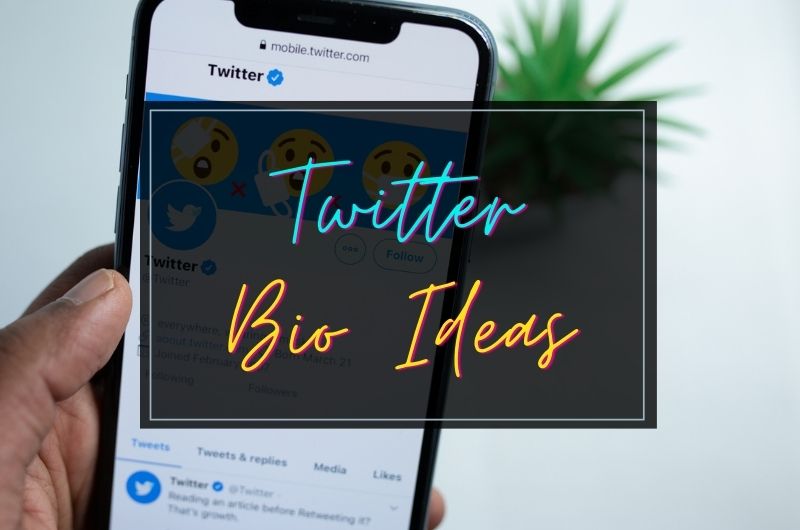
Your Twitter bio is more than just text, it’s your online identity and the first impression you leave on new visitors. With only 160 characters available, you must choose words that define your personality, highlight your style, and spark curiosity instantly. A cool bio can help you stand out in a platform filled with millions of voices.
Showcasing your personality in a bio means reflecting who you are in a creative yet authentic way. Whether you’re witty, professional, or laid-back, your bio should feel like a natural extension of yourself. This not only attracts followers but also builds a meaningful connection with people who relate to your vibe.
A cool bio blends originality with authenticity, making your profile memorable. In this guide, you’ll find Twitter bio ideas designed to showcase personality while grabbing attention. From witty humor to stylish creativity, these ideas will help you design a bio that feels uniquely you.
Express Your Vibe
The easiest way to make your bio cool is by expressing your overall vibe. Are you laid-back, confident, or adventurous? Let your words capture the energy you want people to feel when they land on your profile. Bios that reflect your lifestyle or attitude instantly stand out because they show followers what you’re all about. Cool bios are not about being complicated—they’re about keeping it real in a stylish way.
- Living life one tweet at a time
- Good vibes only, negativity not allowed
- Too chill to care, too cool to quit
- Making memories louder than my phone
- Just here for the laughs and late-night thoughts
- Positive energy is my personal brand
- Turning everyday moments into cool stories
Add Humor with Style
Humor is one of the best ways to showcase personality. A funny bio instantly makes people smile, but adding style makes it even cooler. It’s not just about being silly, it’s about being clever in a way that matches your personality. A touch of wit with confidence leaves a lasting impression and makes you relatable. Followers are more likely to engage with accounts that feel approachable and entertaining.
- Professional napper with world-class skills
- Making WiFi look fashionable since forever
- Smart enough to know I’m funny
- Netflix is my soulmate, Twitter is my diary
- Too cool to be boring
- Tweets made of humor and chaos
- Laughing through deadlines and bad ideas
Keep It Short and Catchy
Sometimes the coolest bios are the shortest. A punchy line grabs attention immediately and leaves people wanting more. Short bios work well when you want to keep things minimal yet powerful. They show confidence without needing extra words. By keeping it catchy, you give your profile a modern, stylish feel that sets you apart from generic accounts. The trick is to say a lot while writing very little.
- Less talk, more action
- Living proof that cool is simple
- Chaos in style
- Just a vibe, not a trend
- Energy louder than words
- Coolness in 160 characters
- Born to stand out
Highlight Your Passions
Your passions reveal a big part of your personality, and including them in your bio makes you instantly relatable. Whether it’s music, art, travel, or fitness, sharing your interests adds depth to your profile. Passionate bios show authenticity and attract like-minded people who share the same hobbies. Being open about what excites you creates a natural bond with potential followers and makes your profile feel more human.
- Music is my mood, travel is my therapy
- Fitness goals with a side of coffee
- Art in my soul, creativity in my tweets
- Exploring cities, collecting stories
- Obsessed with books and big dreams
- Technology enthusiast with a curious heart
- Passion fuels everything I post
Creative and Stylish
A cool bio doesn’t just tell, it shows. Creative and stylish bios make use of wordplay, emojis, or unique formatting. They’re playful but also modern, giving your profile a fresh look. People instantly notice creativity because it breaks the standard pattern. By combining imagination with style, you showcase confidence and originality. A bio with flair helps you stand out while staying aligned with your personality.
- Music lover | Traveler | Coffee believer
- Creating cool moments in 160 characters
- Words, vibes, and endless ideas
- Dreaming big, living louder
- Where creativity meets cool energy
- A mix of chaos, art, and style
- Building a timeline that feels like me
Professional but Cool
Professionalism doesn’t mean your bio has to sound stiff. A cool professional bio shows your expertise while keeping it approachable. It’s perfect if you want to highlight your career while still standing out as stylish and personable. Adding humor or a lighthearted twist to your profession makes you memorable without losing credibility. This balance ensures your bio appeals to both casual followers and industry connections.
- Digital marketer with a love for memes
- Tech nerd, strategy thinker, and coffee drinker
- Designer of cool ideas and bold visuals
- Entrepreneur with style and ambition
- Helping brands shine with creativity
- Business mind, fun heart
- Creative strategist in sneakers
Relatable Coolness
Cool doesn’t always mean flashy, it can also be about being real. A relatable bio shows that you’re authentic and human, which makes people trust you more. These bios reflect everyday life in a stylish but down-to-earth way. Relatability draws people in because they feel like they already know you. It’s about being cool enough to connect with others while staying genuine in your personality.
- Just figuring life out like everyone else
- Adulting, but with style
- Cool but still always late
- Living proof that WiFi is life
- Tweets powered by snacks and sarcasm
- Dreaming with both feet on the ground
- Real, but always vibin’
Mix Inspiration with Personality
Cool personalities often inspire others. Adding a motivational twist to your bio shows that you’re not only stylish but also uplifting. People love following accounts that spread positive energy while staying true to themselves. A cool inspirational bio combines confidence with optimism, making your profile stand out in a meaningful way. It reflects ambition and vision while showing your unique personality.
- Turning dreams into daily reality
- Spreading cool energy with every tweet
- Living life with confidence and clarity
- Inspiring growth with a touch of humor
- Cool enough to believe, bold enough to achieve
- Sharing vibes that motivate and uplift
- Making positivity the trend
Show Confidence with Humor
Confidence mixed with humor is one of the coolest personality traits. A bio that blends the two makes you approachable and fun to follow. It shows that you’re self-assured but don’t take yourself too seriously. People naturally gravitate toward confident personalities, especially when paired with laughter. A bio like this creates a strong first impression while staying entertaining and unique.
- Confidence is my accessory
- Tweets strong, coffee stronger
- Stylish enough to stand out, funny enough to stay in
- Cool vibes, bold moves
- My personality runs on humor
- Proof that confidence can be funny
- Too confident to be ignored
FAQs
Why is a cool Twitter bio important?
A cool bio reflects your personality, making your profile attractive, relatable, and worth following.
How long should a Twitter bio be?
Keep it under the 160-character limit, but make every word count by reflecting your personality.
Should I use emojis in my bio?
Yes, if they fit your personality. Emojis add style and creativity but should be used sparingly.
Can a professional bio still be cool?
Absolutely. Adding humor, confidence, or creativity to your career-based bio makes it stylish and approachable.
How often should I update my bio?
Update whenever your interests, career, or vibe changes. A fresh bio keeps your profile cool and relevant.
Conclusion
A cool Twitter bio is all about showcasing your personality in a stylish and authentic way. Whether you prefer humor, professionalism, creativity, or inspiration, your bio should reflect who you truly are. With the right mix of confidence, originality, and relatability, you can create a profile that feels fresh and attracts followers naturally. Your bio may be short, but it has the power to make a lasting impression.
Can You Trust Instant Loan Apps? Here’s How to Avoid Costly Scams | CredBuddha
How Mobile Entertainment Is Creating New Digital Experiences for Modern Users

ShreeWin Referral Code – How to Invite New Users

ShreeWin Game List – Available Categories Explained
5 Simple Ways to Keep Your Belongings Safe During a Major Move
Play Baccarat Online and Explore Exciting Casino Gaming Experiences
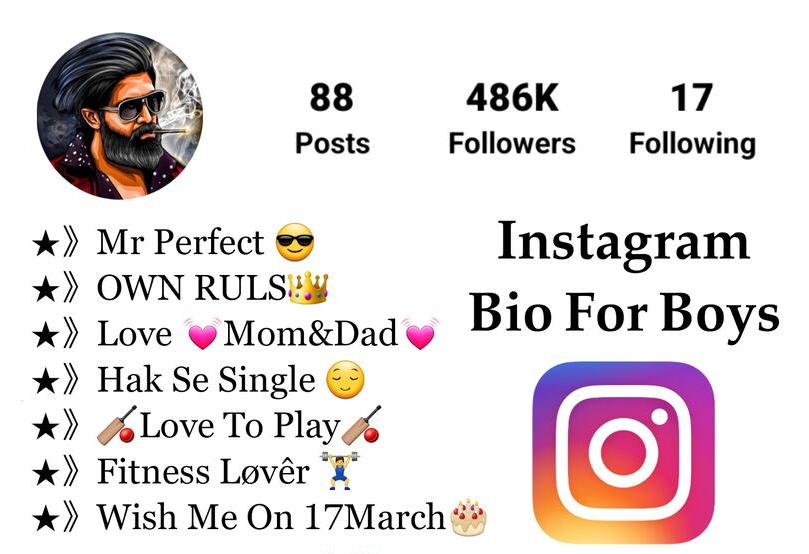
1000+ Great Instagram Bio For Boys – Stylish & Attitude Bio

1500+ Perfect Instagram Bio For Hindu

Krishna Bio For Instagram
500+ Great Mahakal Bio For Instagram 2024

Hanuman Ji Bio For Instagram
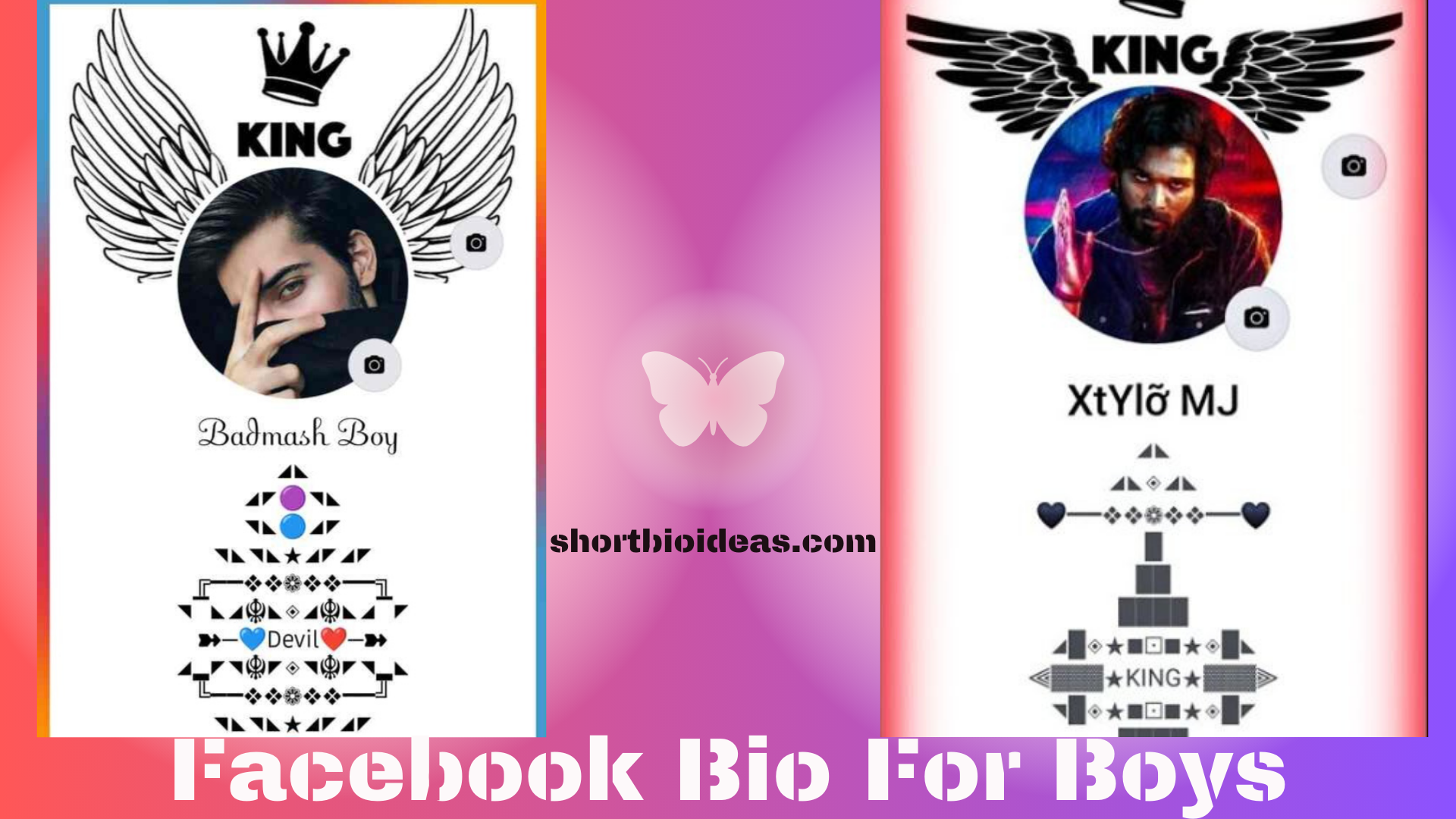
900+ Perfect Facebook Bio For Boys 2024 – Attitude Bio
-
Instagram Bio Ideas3 years ago
1000+ Great Instagram Bio For Boys – Stylish & Attitude Bio
-
Instagram Bio Ideas2 years ago
1500+ Perfect Instagram Bio For Hindu
-
Instagram Bio Ideas2 years ago
Krishna Bio For Instagram
-
Instagram Bio Ideas2 years ago
500+ Great Mahakal Bio For Instagram 2024
-
Instagram Bio Ideas2 years ago
Hanuman Ji Bio For Instagram
-
Facebook Bio Ideas3 years ago
900+ Perfect Facebook Bio For Boys 2024 – Attitude Bio
-
 Instagram Bio Ideas3 years ago
250+ Best Music Bio For Instagram 2024 – Music Lover Bio
-
 Facebook Bio Ideas2 years ago
1200+ Best Facebook bio ideas 2024 – Stylish, Short and Unique FB bio