
Blog
CD44 Technology Review and CD44 Login Stability


Technology plays a defining role in the success of any modern online gaming platform. Users today expect more than attractive games they want speed, system reliability, data protection, and uninterrupted access. CD44 has gained attention in Bangladesh by focusing heavily on technical performance while maintaining a stable and secure cd44 login experience.
This article provides a detailed technology-focused review of the CD44 platform, examining how its system architecture, performance optimization, and login stability work together to create a smooth and trustworthy user experience.
Why Technology Determines Platform Reliability
In online gaming, even small technical weaknesses can lead to user frustration, lost progress, or security concerns. Platforms that invest in stable infrastructure and secure access systems are more likely to earn long-term user trust.
CD44 approaches technology as the backbone of its platform. From load handling to account access, every technical component is designed to reduce errors and ensure consistent performance. Understanding this technology helps users evaluate whether the platform is reliable enough for regular use.
Overview of CD44’s Technical Framework
CD44 operates on a modular digital framework that separates key functions while keeping them synchronized in real time.
Core Technology Components
The platform’s system is built around:
- Front-end interface optimization
- Game processing and response handling
- Reward calculation and data tracking
- Account authentication and session control
This separation allows the platform to scale efficiently while maintaining system stability.
Why Modular Design Matters
A modular system ensures that if one component experiences heavy traffic, others continue functioning smoothly. For users, this means:
- Faster page loading
- Reduced lag during gameplay
- Stable access during peak hours
This design choice directly supports platform reliability.
Performance Optimization and Speed
One of the most noticeable aspects of CD44’s technology is its speed.
Fast Load Times
The platform is optimized to:
- Load games quickly
- Refresh dashboards instantly
- Update rewards without delays
These optimizations are especially important for mobile users, who make up the majority of the platform’s audience in Bangladesh.
Real-Time Processing
CD44 processes gameplay actions and reward updates in real time. This ensures:
- Immediate feedback after game completion
- Accurate performance tracking
- No delay between action and outcome
Real-time processing strengthens user confidence in the system.
Device Compatibility and Responsiveness
CD44 is designed to function consistently across different devices and screen sizes.
Mobile-First Optimization
The platform performs well on smartphones due to:
- Touch-friendly navigation
- Lightweight interface design
- Stable performance on standard internet connections
This makes it accessible to a wide user base.
Desktop and Cross-Device Use
On desktop devices, users benefit from:
- Larger interface visibility
- Faster navigation between sections
- Smooth long-session performance
The platform maintains consistency across devices through secure account synchronization.
CD44 Login Stability Explained
A critical part of this technology review is the stability of the CD44 login system. Login stability refers to how reliably users can access their accounts without errors, interruptions, or security risks.
Purpose of a Stable Login System
A stable login system ensures:
- Continuous access without repeated sign-ins
- Accurate session management
- Protection of user data and rewards
CD44 treats login stability as a core system requirement, not an optional feature.
Structured Login Flow
The login process follows a clear technical sequence:
- User visits the official website:
- Credentials are submitted securely
- System verifies identity
- A protected session is created
- Dashboard access is granted
Each step is optimized to minimize failure points.
Session Management and Reliability
Once logged in, session stability becomes essential.
How CD44 Maintains Stable Sessions
The platform uses session control mechanisms that:
- Prevent unexpected logouts
- Maintain access during gameplay
- Protect accounts during inactivity
This is particularly important for users participating in time-sensitive games or events.
Reduced Login Errors
CD44’s system reduces common login issues such as:
- Page freezing
- Repeated authentication prompts
- Session timeouts during activity
As a result, users spend more time playing and less time troubleshooting.
Security as Part of Login Stability
Stability and security go hand in hand.
Built-In Security Measures
The CD44 login system includes:
- Encrypted credential handling
- Verification layers when needed
- Monitoring for unusual activity
These measures protect accounts without slowing down access.
Protection of User Progress
A secure and stable login ensures that:
- Rewards remain tied to the correct account
- Game history stays accurate
- Progress cannot be overwritten or lost
This reliability is essential for long-term engagement.
Technology Behind Reward Accuracy
CD44’s technology ensures that reward data is processed and displayed accurately.
Data Synchronization
Reward data is synchronized across:
- Game servers
- User dashboards
- Account history logs
This prevents mismatches or missing entries.
Error Prevention Systems
The platform uses automated checks to:
- Validate reward calculations
- Detect anomalies
- Maintain system balance
These checks enhance both transparency and reliability.
Example: Login Stability in Daily Use
A regular user logs in during the morning from a mobile phone and plays several games. Later in the day, the same user accesses the platform from a desktop device. All rewards, progress, and history appear exactly the same.
This consistency demonstrates how login stability supports platform reliability and user trust.
Benefits of CD44’s Technology Approach
- Fast and responsive system performance
- Stable login sessions
- Secure account access
- Accurate reward tracking
- Consistent experience across devices
These benefits highlight the platform’s focus on long-term usability rather than short-term engagement.
Best Practices for Users
To maintain login stability and performance:
- Use a reliable internet connection
- Avoid multiple simultaneous logins
- Log out from shared devices
- Always access the official website
User habits play an important role in supporting system stability.
Why Technology Gives CD44 a Competitive Advantage
In a crowded digital market, technical reliability sets platforms apart. CD44’s investment in system architecture and login stability results in:
- Fewer disruptions
- Higher user retention
- Stronger platform credibility
This technology-first approach aligns with the expectations of modern digital users.
Conclusion:
This CD44 technology review shows that the platform’s strength lies in its stable infrastructure and reliable CD44 login system. Through modular design, real-time processing, and secure session management, CD44 delivers consistent performance across devices.
For users in Bangladesh seeking a dependable online gaming platform, CD44 offers a technically sound environment where access is stable, data is protected, and gameplay remains smooth. Technology is not just a feature of CD44—it is the foundation of its user experience.
FAQs
What makes CD44’s technology reliable?
Its modular system design, real-time processing, and optimized performance across devices.
How stable is the CD44 login system?
The login system is designed to minimize errors, prevent session drops, and protect user data.
Can users switch devices without issues?
Yes, login stability ensures consistent access and synchronized data across devices.
Is CD44 suitable for mobile users?
Yes, the platform is optimized for smartphones and works well on standard networks.Where should users log in to CD44?
Only through the official website:

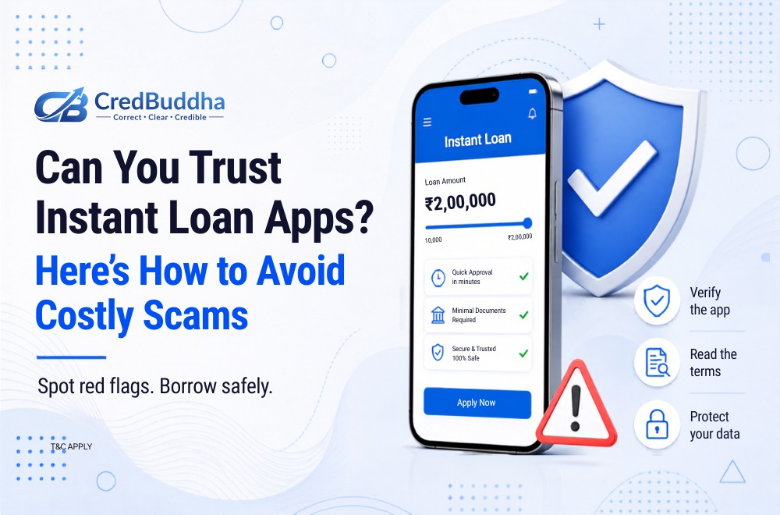
Instant loan apps have made it easier for borrowers to access quick funds, but the rapid growth of instant loan app scams, fake loan apps, instant loan scams, digital lending scams, online loan fraud, personal loan scam and loan app fraud has also increased the risk of financial loss and misuse of personal data. This article explains how to identify fake loan apps, verify RBI approved loan apps, understand the RBI Digital Lending Guidelines and choose safe loan apps India, secure loan apps and legitimate instant personal loan apps with confidence.
What Are Instant Loan Apps?
Instant loan apps allow people to apply for a personal loan from their phone and get the money in their account instantly within minutes or a few hours. Most use Aadhaar-based e-KYC with automated checks on income and spending to check eligibility and loan amount. Some apps also analyze UPI transaction history or account aggregator data to assess repayment capacity. Digital lending has gained popularity because it bypasses delays of conventional loans – while bank personal loans typically take three to seven working days, app-based lending can often complete the process within a day.
Importantly, not every loan app is actually a lender itself. Some are regulated entities directly responsible for the loan, while others are marketplaces connecting borrowers to RBI-registered lenders. The key distinction is whether an RBI-registered entity stands behind the app or whether there is no regulatory oversight – a gap where most instant loan app scams begin.
Identifying Fake Loan Apps and Warning Signs
Not every instant loan app falls under the RBI’s regulatory framework. Banks offering instant loans are directly supervised by the RBI, while NBFC loan apps must be RBI-registered and clearly name their lending partner. Unregulated apps may be linked to overseas entities or shell companies and lack RBI backing.
Genuine platforms clearly disclose their RBI-registered lending partner, provide a digital loan agreement with transparent terms, disclose fees upfront and offer verifiable customer support. In contrast, fake loan apps may hide fees, offer vague agreements, request access to contacts, gallery, SMS or call logs and use threats or harassment for recovery.
Unrealistic offers like “0% interest” or “assured approval,” apps not available on the official Play Store or App Store and any request for payment before to disbursement are some specific warning signs. Caution should be taken in the event of excessive permission requests unrelated to KYC, an unusually high number of five-star reviews in a short period of time or inactive customer service.
How to Verify and Borrow Safely
Before applying, cross-check the lending partner’s name on the RBI’s official NBFC list and confirm the app appears on the lender’s authorized Digital Lending App register. Verify the lender has a registered address, GSTIN or CIN information and an appointed grievance officer on their website. Evaluate complaints regarding harassment or hidden costs rather than relying solely on star ratings.
Compare several lenders, borrow only what is necessary and review loan terms including foreclosure and late-payment penalties.
RBI Digital Lending Guidelines and Protections
The RBI’s Digital Lending Directions were introduced to bring accountability to app-based lending. These apply even when third-party apps or Lending Service Providers are involved. Lending can only be carried out through Regulated Entities which remain accountable for the entire process.
Regulated entities must publish authorized Digital Lending Apps on their websites and borrowers must provide explicit consent before disbursal. Apps can access only data necessary for the loan and a Key Fact Statement must disclose APR, fees and penalties before acceptance.
Information You Should Never Share
OTPs, UPI PINs, ATM PINs, CVVs, net banking passwords and password manager details are not required for legitimate loan disbursal. Aadhaar OTP should only be entered on the lender’s own verified e-KYC screen, never shared over a call or chat. Callers posing as “support agents” requesting OTPs to “verify disbursal” are executing common scams. Any request for a one-time code should be treated as an immediate stop signal.
If You Become a Victim
Acting quickly can limit financial loss. Borrowers should stop further payments and immediately contact their bank’s fraud helpline if unauthorized transactions have occurred. Cybercrime complaints can be filed through the National Cyber Crime Reporting Portal or the 1930 helpline. Unauthorized lenders can be reported through RBI’s Sachet Portal, while harassment or threats should be reported to local police. If identity documents were shared, check CIBIL or credit reports for unfamiliar loan accounts and raise disputes with credit bureaus.
How CredBuddha Helps
CredBuddha’s platform is built around the same verification principles outlined throughout this article, applied structurally rather than left to the borrower alone. Every lending partner listed on the platform is a verified, RBI-regulated bank or NBFC which removes the guesswork involved in checking each app individually.
Borrowers can compare offers from 20+ verified lenders, check instant eligibility, use the Personal Loan EMI Calculator and access a free credit score check. The platform also supports end-to-end digital applications with a transparent, no-hidden-fee process and ISO 27001-aligned data security across its RBI-compliant lending partner network.
For more information, visit our website – CredBuddha.
You can also explore Personal Loans options and find a loan suited to your financial needs.

Entertainment habits have changed significantly as smartphones have become a central part of everyday life. Today, people no longer depend only on traditional entertainment channels. Instead, they use mobile devices to discover new content, explore applications, and enjoy interactive experiences whenever they have free time.
From video platforms and social applications to mobile games, digital entertainment continues to expand and create new ways for people to connect with technology.
The Shift Toward Mobile Experiences
The popularity of smartphones has changed how users interact with entertainment. A mobile device can now provide access to different types of experiences within seconds.
Users prefer platforms that are convenient, simple to understand, and designed for mobile use. This has encouraged developers to focus on better interfaces, smoother performance, and features that improve overall user satisfaction.
Mobile entertainment is no longer limited to one specific category. It includes different forms of digital activities that match different interests and preferences.
Why Interactive Entertainment Is Growing
One of the biggest changes in digital entertainment is the move from passive viewing to interactive experiences.
Traditional entertainment mainly allowed users to watch or listen. Modern mobile platforms allow users to participate, make choices, and interact with content.
Mobile games are a good example of this transformation. They combine technology, creativity, and social interaction to provide experiences that can be enjoyed anywhere.
Card games, strategy games, and casual mobile experiences continue attracting users because they are easy to access while still offering challenges and engagement.
The Importance of Discovering Quality Applications
With thousands of applications available, users often need reliable information before trying new digital experiences.
Important factors when exploring mobile applications include:
- Application quality
- User experience
- Regular updates
- Device compatibility
- Clear information about features
Websites that provide guides and application-related information can help users better understand available options before making decisions.
Platforms like Yono Apps provide users with information about mobile entertainment applications and help them discover different gaming experiences in the digital environment.
How Young Users Are Shaping Digital Trends
Younger users are one of the main groups influencing the future of mobile entertainment. They are comfortable exploring new applications, sharing recommendations, and discovering content through online communities.
This has created a more dynamic digital ecosystem where user opinions, reviews, and online discussions play an important role.
Entertainment platforms now focus not only on providing content but also on building better experiences that encourage long-term engagement.
The Future of Mobile Entertainment
As smartphone technology continues improving, mobile entertainment will continue evolving. Better hardware, faster networks, and creative development approaches will create more opportunities for digital platforms.
Future mobile experiences are expected to become more personalized, interactive, and connected with user preferences.
The growth of mobile entertainment shows that digital experiences are becoming an important part of modern lifestyles.
Conclusion
Mobile entertainment is changing the way people discover and enjoy digital content. Smartphones have created a more accessible and interactive environment where users can explore different experiences based on their interests.
As technology continues developing, mobile platforms will remain a major force in shaping the future of digital entertainment.

A referral code can make it easier for existing users to invite new people to a platform. When an eligible new user registers with the correct referral code, the referral may be tracked and could qualify for a promotional reward.
The exact referral rules, eligibility requirements, and available rewards can change, so users should always review the current promotion details before participating.
What Is a ShreeWin Referral Code?
A Shreewin Referral Code is a unique code that may be associated with an existing user’s account. It can be shared with new users who want to register through a referral invitation.
Depending on the current promotion, a successful referral may provide a bonus or other promotional benefit.
A referral code can be used for:
- Inviting new users
- Tracking referrals
- Connecting new registrations
- Qualifying for promotional rewards
- Participating in referral campaigns
How to Find Your Referral Code
Existing users can first log in to their account and look for a referral-related section.
Common options may include:
- Referral
- Refer and Earn
- Invite Friends
- Rewards
- Promotions
- Profile
If the referral program is currently available, the relevant section may display your personal code or sharing option.
How to Invite New Users
Step 1: Access Your Account
Log in using your registered account information.
Make sure your account is active and eligible for the referral program shree win.
Step 2: Open the Referral Section
Find the Referral, Invite Friends, or Refer and Earn option.
Look for your unique referral code.
Step 3: Copy Your Referral Code
Copy the code carefully so that you do not accidentally change any letters or numbers.
Step 4: Share the Code
Send the code to someone who is genuinely interested in joining the platform.
You can explain that the person should use the code during registration if the promotion requires it.
Avoid making misleading claims about guaranteed rewards or earnings.
Step 5: New User Registers
The invited person should open the registration section and enter the referral code in the appropriate field.
They may also need to provide other registration information and complete verification.
Step 6: Complete Required Conditions
Some referral programs require more than registration. The invited user may need to complete additional qualifying activities before the referral becomes successful.
Step 7: Check Referral Status
After the requirements are completed, check the referral section to see whether the referral is pending, completed, or rewarded.
Referral Code vs. Invite Link
A referral code is usually a combination of letters and numbers that a new user enters during registration.
An invite link is a personalized link that may automatically associate a new registration with the referring account.
The available method depends on the current platform setup.
Why Is a Referral Not Showing?
Sometimes a referral does not immediately appear in the account.
Code Was Not Entered
The invited user may have forgotten to enter the referral code during registration.
Incorrect Code
A single incorrect character can prevent the referral from being linked correctly.
Existing Account
Some referral campaigns are designed only for new users. An existing account may not qualify.
Requirements Are Incomplete
The referral may remain pending until the invited user completes all required conditions.
Promotion Has Ended
Referral campaigns may have specific start and end dates.
Tips for Successful Referrals
Share With Genuine Users
Invite people who are actually interested in the platform instead of sending unwanted promotional messages.
Explain the Signup Process
Tell new users where to enter the referral code and remind them to check their registration details before submitting the form.
Check the Promotion Rules
Review the current eligibility requirements, reward conditions, and referral limits.
Avoid Multiple Accounts
Do not create duplicate or misleading accounts to generate referral rewards. Such activity may violate platform rules and could lead to account restrictions.
Referral Rewards
If a referral campaign offers rewards, the amount and type can vary.
Possible conditions may include:
- New-user eligibility
- Successful registration
- Account verification
- Completion of a qualifying activity
- Referral limits
- Promotional expiry dates
A referral reward should not be considered guaranteed income.
What If the Reward Is Delayed?
If a referral appears to be successful but the reward has not been credited, check the referral status first.
The invited user may still need to complete a qualifying requirement. Other possibilities include an expired campaign, an ineligible account, or a referral-code error.
If all requirements appear complete, use the available account-support option to ask about the referral status.
Keep Referral Information Secure
Sharing a referral code is different from sharing account credentials.
Never give another person:
- Your password
- OTP
- Verification code
- Banking PIN
- Login details
- Sensitive financial information
A referral reward should not require you to disclose private security information.
Responsible Gaming
If referral rewards are connected with real-money shreewin login users should remember that promotional benefits do not remove financial risk. Gaming outcomes are uncertain, and winnings are not guaranteed.
Set a personal spending limit and avoid using money needed for essential expenses. Do not borrow money for gaming or increase spending to recover previous losses.
Users should also check applicable age requirements and local laws before participating.
Frequently Asked Questions
What is a ShreeWin Referral Code?
It is a unique code that may connect a new user’s registration with an existing user’s referral account.
How do I invite a new user?
Find your referral code in the Referral, Invite Friends, or Refer and Earn section and share it with an eligible new user.
Where should the new user enter the code?
The code is generally entered during the registration process in an Invite Code or Referral Code field, if available.
Does every referral earn a reward?
No. The invited user may need to meet specific eligibility and qualifying requirements.
Why is my referral still pending?
The invited user may not have completed all required conditions, or the referral may still be undergoing verification.
Can I invite multiple people?
This depends on the current referral campaign. Some promotions may have referral limits.
Conclusion
The ShreeWin Referral Code provides existing users with a way to invite eligible new users through a personal referral code. The general process involves finding the code, sharing it with a new user, ensuring it is entered during registration, and completing any required promotional conditions.
For a smooth referral experience, use the correct code, review the current promotion rules, and avoid making promises about guaranteed earnings. Keep your account credentials private and, if real-money gaming is involved, understand the risks and participate responsibly.
Can You Trust Instant Loan Apps? Here’s How to Avoid Costly Scams | CredBuddha
How Mobile Entertainment Is Creating New Digital Experiences for Modern Users

ShreeWin Referral Code – How to Invite New Users

ShreeWin Game List – Available Categories Explained
5 Simple Ways to Keep Your Belongings Safe During a Major Move
Play Baccarat Online and Explore Exciting Casino Gaming Experiences

1000+ Great Instagram Bio For Boys – Stylish & Attitude Bio

1500+ Perfect Instagram Bio For Hindu

Krishna Bio For Instagram

500+ Great Mahakal Bio For Instagram 2024

Hanuman Ji Bio For Instagram

900+ Perfect Facebook Bio For Boys 2024 – Attitude Bio
-
Instagram Bio Ideas3 years ago
1000+ Great Instagram Bio For Boys – Stylish & Attitude Bio
-
Instagram Bio Ideas2 years ago
1500+ Perfect Instagram Bio For Hindu
-
Instagram Bio Ideas2 years ago
Krishna Bio For Instagram
-
Instagram Bio Ideas2 years ago
500+ Great Mahakal Bio For Instagram 2024
-
Instagram Bio Ideas2 years ago
Hanuman Ji Bio For Instagram
-
Facebook Bio Ideas3 years ago
900+ Perfect Facebook Bio For Boys 2024 – Attitude Bio
-
 Instagram Bio Ideas3 years ago
250+ Best Music Bio For Instagram 2024 – Music Lover Bio
-
 Facebook Bio Ideas2 years ago
1200+ Best Facebook bio ideas 2024 – Stylish, Short and Unique FB bio