
Blog
Highlight bóng đá tại XoilacTV – Đỉnh cao cảm xúc sân cỏ


Highlight bóng đá tại XoilacTV mang đến trải nghiệm xem lại trận đấu nhanh, rõ nét và đầy đủ cảm xúc cho người hâm mộ. Trong nhịp sống bận rộn, việc theo dõi trọn vẹn 90 phút không phải lúc nào cũng khả thi, vì vậy các video highlight trở thành lựa chọn tối ưu. Xoi Lac TV xây dựng hệ thống tổng hợp trận đấu chất lượng cao, giúp người xem nắm bắt toàn bộ diễn biến chỉ trong vài phút ngắn gọn nhưng vẫn trọn vẹn cảm xúc sân cỏ, từ bàn thắng đến những khoảnh khắc kịch tính nhất của trận đấu.
Hệ thống highlight bóng đá độc quyền tại XoilacTV
XoilacTV phát triển nền tảng highlight bóng đá hiện đại, giúp người xem dễ dàng theo dõi lại mọi trận đấu quan trọng. Nội dung được tối ưu tốc độ và chất lượng, mang lại trải nghiệm liền mạch và tiện lợi trên mọi thiết bị.
Hệ thống highlight tại XoilacTV được xây dựng riêng biệt với quy trình xử lý tự động kết hợp biên tập thủ công. Nhờ đó, mỗi video đều đảm bảo độ chính xác, đầy đủ tình huống quan trọng và cảm xúc chân thực như khi xem trực tiếp tại sân vận động, giúp người xem không bỏ lỡ bất kỳ khoảnh khắc nào đáng chú ý
Cấu trúc và chất lượng video highlight bóng đá tại XoilacTV
XoilacTV chú trọng chất lượng video từ hình ảnh đến nội dung biên tập, đảm bảo người xem có thể theo dõi lại trận đấu một cách rõ ràng và đầy đủ nhất. Hệ thống được tối ưu để hiển thị nhanh và ổn định trên mọi nền tảng thiết bị.
Chất lượng hình ảnh Full HD, tốc độ tải siêu nhanh
Video highlight tại XoilacTV được tối ưu với độ phân giải Full HD, thậm chí 4K ở một số trận đấu lớn. Hệ thống truyền tải hiện đại giúp giảm tối đa thời gian tải, mang lại trải nghiệm mượt mà, âm thanh sống động và hình ảnh sắc nét như đang theo dõi trực tiếp.
Tổng hợp đầy đủ thông tin, những pha bóng hot nhất
Mỗi video highlight đều được chọn lọc kỹ lưỡng, bao gồm bàn thắng, thẻ phạt, VAR và các tình huống gây tranh cãi. Nội dung được sắp xếp logic giúp người xem dễ dàng nắm bắt diễn biến chính của trận đấu mà không cần xem lại toàn bộ thời gian thi đấu.
Đa dạng giải đấu – từ “ao làng” đến “biển cả”
XoilacTV cung cấp highlight từ các giải đấu lớn như Premier League, Champions League đến các giải khu vực như V-League hay AFF Cup. Điều này giúp người hâm mộ dễ dàng theo dõi đội bóng yêu thích ở mọi cấp độ thi đấu mà không bị giới hạn nội dung.
Cập nhật highlight trong vòng 5 phút sau trận
Nhờ công nghệ xử lý video tự động, highlight được cập nhật chỉ vài phút sau khi trận đấu kết thúc. Điều này giúp người xem nhanh chóng nắm bắt kết quả và diễn biến mà không phải chờ đợi lâu như các kênh truyền thống.
Điểm tốt nhất tại nền tảng là giao diện người dùng
XoilacTV không chỉ tập trung vào nội dung mà còn tối ưu trải nghiệm người dùng, giúp việc tìm kiếm và xem highlight trở nên đơn giản và nhanh chóng hơn bao giờ hết.

Không cần tìm kiếm phức tạp vì trận đấu yêu thích đã ở ngay đây
Người dùng chỉ cần nhập tên đội bóng hoặc giải đấu là có thể truy cập ngay video highlight mong muốn. Hệ thống gợi ý thông minh giúp tiết kiệm thời gian và tăng trải nghiệm tìm kiếm nội dung hiệu quả hơn.
Tương thích với đa thiết bị (mobile, tablet, pc)
Nền tảng được thiết kế tương thích với mọi thiết bị, từ điện thoại, máy tính bảng đến PC. Video được tối ưu để không giật lag, đảm bảo người dùng có thể xem mọi lúc, mọi nơi với chất lượng ổn định.
Tính năng nổi bật dành riêng cho hội viên XoilacTV
XoilacTV mang đến nhiều tiện ích nâng cao dành cho hội viên, giúp trải nghiệm xem highlight trở nên cá nhân hóa và thoải mái hơn.
Tùy chọn bình luận tiếng Việt, Anh, Tây Ban Nha…
Người dùng có thể lựa chọn ngôn ngữ bình luận phù hợp với sở thích. Điều này giúp trải nghiệm xem trở nên gần gũi hơn, đồng thời hỗ trợ người xem quốc tế dễ dàng theo dõi nội dung.
Không phát quảng cáo kiếm tiền chen giữa video
Hội viên VIP được xem highlight không bị gián đoạn bởi quảng cáo. Điều này giúp trải nghiệm liền mạch, tập trung hoàn toàn vào diễn biến trận đấu mà không bị phân tâm.
Đội ngũ biên tập viên của Soco Live chuyên nghiệp
XoilacTV sở hữu đội ngũ biên tập viên giàu kinh nghiệm, luôn theo sát từng trận đấu để tạo ra những video highlight chất lượng cao, đảm bảo tính chính xác và cảm xúc.
Luôn cập nhật nhanh – chính xác – đầy đủ
Mỗi video đều được bổ sung thông tin tóm tắt giúp người xem hiểu nhanh diễn biến trận đấu. Nội dung được kiểm duyệt kỹ lưỡng nhằm đảm bảo độ chính xác và khách quan cao nhất.
Tích hợp mạng xã hội – chia sẻ dễ dàng khoảnh khắc yêu thích
Người dùng có thể chia sẻ hightlight bóng đá lên mạng xã hội chỉ với một thao tác đơn giản. Điều này giúp các khoảnh khắc bóng đá lan tỏa nhanh chóng đến cộng đồng người hâm mộ rộng lớn.
Cam kết từ nền tảng trực tiếp bóng đá XoilacTV
XoilacTV luôn đặt trải nghiệm người dùng lên hàng đầu, cam kết cung cấp dịch vụ chất lượng, miễn phí và liên tục cải tiến theo nhu cầu thực tế của người xem.

Miễn phí – Chất lượng – Tức thì
Tất cả video highlight đều hoàn toàn miễn phí, không yêu cầu đăng ký phức tạp. Người dùng có thể truy cập và xem ngay lập tức với chất lượng cao và tốc độ nhanh.
Luôn cải thiện theo góp ý nơi người dùng
Nền tảng liên tục cập nhật và nâng cấp dựa trên phản hồi từ người xem. Điều này giúp hệ thống ngày càng hoàn thiện, đáp ứng tốt hơn nhu cầu của cộng đồng bóng đá.
Kết bài
Highlight bóng đá tại XoilacTV không chỉ đơn thuần là video tóm tắt trận đấu mà còn là sự kết hợp giữa công nghệ, tốc độ và cảm xúc thể thao. Với hệ thống cập nhật nhanh, chất lượng hình ảnh sắc nét và trải nghiệm người dùng tối ưu, XoilacTV mang đến cho người hâm mộ một cách tiếp cận bóng đá hiện đại và tiện lợi. Đây là lựa chọn phù hợp cho những ai muốn theo dõi đầy đủ diễn biến trận đấu mà không cần xem toàn bộ 90 phút thi đấu trực tiếp.


For a technology business, a strong online presence is more than a polished website. Potential customers, partners, and job candidates also notice how clearly a brand explains its work, where its ideas appear, and whether its expertise feels trustworthy. Building that presence takes consistency, but a few practical steps can make the process easier to manage.
Whether you run a SaaS company, a startup, or a technology agency, your goal is to help the right people understand what you do and why it matters. A clear message, useful content, and thoughtful publishing choices can help your brand become easier to recognize and remember.
Clarify Your Brand Message
Before creating content or pursuing new audiences, decide what you want people to understand about your business. Describe the problem you solve, who benefits from your solution, and what makes your approach distinctive. If that message changes from one page or profile to another, visitors may struggle to understand your value.
Keep the language direct. Technical detail can demonstrate expertise, but it should support a clear explanation rather than hide the main point. A concise description of your product or service can help customers quickly decide whether they want to learn more.
Make Your Website Useful
Your website is often the first place people go to check out a technology brand. Make key information easy to find, including what your product does, who it serves, and how someone can take the next step. Clear navigation and readable pages matter just as much as visual design.
Useful resources can also answer questions before a sales conversation. Consider publishing practical guides, product explanations, case studies, or responses to common customer concerns. These pages show how your company thinks and give visitors something more valuable than a list of features.
Publish Content That Demonstrates Expertise
A steady flow of relevant content can help a brand build familiarity over time. Choose topics that connect your expertise with the real challenges your audience faces. For example, a cybersecurity company might explain how small teams can improve account security, while a software provider could share advice on choosing or implementing a tool.
Each article should have a clear purpose. It might explain a complex concept, offer a useful process, or help readers compare possible approaches. Avoid publishing only to fill a schedule; practical, well-organized information is more likely to earn attention and trust.
Reach New Readers Through Guest Articles
Publishing on relevant industry websites can introduce your ideas to readers who may not yet know your brand. The strongest guest articles are written for the publication’s audience first. They offer a genuine takeaway, fit the site’s subject, and mention your company only when it adds context.
Finding suitable outlets takes research. Look for websites whose readers match your intended audience, whose content is current, and whose editorial standards are clear. A resource such as iCopify’s technology listings can help you explore websites and blogs that accept technology guest articles. Treat a directory as a starting point: review each publication, its audience, and its submission guidelines before pitching.
Relevance is more important than a large number of placements. An article on a respected site that reaches the right readers may be more useful than several posts on unrelated websites. Focus on useful contributions and long-term credibility rather than quick results.
Build a Manageable Content Workflow
Consistent publishing involves more than writing. A typical workflow may include research, drafting, editing, graphics, proofreading, and outreach. Small teams can find it difficult to handle every task while also developing their product and serving customers.
Start by identifying the parts of the process that need extra support. You might need help with technical writing, illustrations, video, or campaign planning. A freelance marketplace such as Osdire lets buyers find freelancers across categories including programming, design, writing, video, and marketing. Before placing an order, define the scope, deadline, and expected deliverables. Clear instructions and review stages help both sides work toward the same result.
Keep ownership of your brand voice, even when other people contribute. Share examples of your preferred tone, explain the audience, and provide accurate product information. Review completed work for accuracy and consistency before it is published.
Measure What Is Working
Online visibility is not only about traffic. Consider whether your content is reaching the people you want to reach and whether it helps them take a meaningful next step. Depending on your goals, useful measures may include qualified inquiries, newsletter sign-ups, demo requests, or engagement with specific resources.
Look for patterns rather than reacting to one unusually successful or quiet week. If readers spend time with a particular topic, explore related questions. If a page attracts visitors but does not explain your offer clearly, improve the page before simply sending more traffic to it.
FAQs
How often should a technology business publish content?
Choose a schedule your team can maintain without sacrificing quality. A useful, well-edited article published regularly is more valuable than a frequent stream of rushed posts.
What makes a good guest article topic?
A good topic addresses a real question for the host publication’s readers and connects naturally to your expertise. It should offer value even to someone who never becomes a customer.
Should a small tech company hire freelancers?
Freelancers can help with specific tasks when internal time or skills are limited. Set clear requirements, agree on deadlines, and review the work before using it.
Conclusion
A stronger online presence grows from clear communication and useful work. Explain your value, make your website helpful, publish content with a purpose, and choose publishing opportunities that reach relevant readers. With a realistic workflow and regular review, technology brands can build visibility and trust without losing focus on the people they serve.
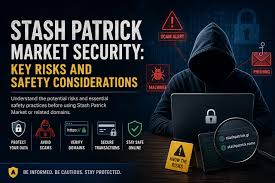
The dark web has become one of the most widely discussed areas of internet security. It is often associated with anonymous communication, privacy technologies, cybercrime forums, and underground marketplaces. stash patrick Within discussions about illicit payment-card markets, names such as Stash Patrick may appear as examples of the broader underground economy.
Understanding dark web marketplace access is useful from a cybersecurity and awareness perspective. However, it is important to distinguish between researching these environments and participating in stashpatrick.cc illegal activity. The purpose of examining names such as Stash Patrick is not to provide instructions for accessing or using illicit marketplaces, but to understand the risks these ecosystems create for consumers, businesses, and financial institutions.
What Is the Dark Web?
The dark web generally refers to online services that are not directly accessible through conventional search engines and that rely on specialized privacy-oriented technologies.
It is important to remember that privacy technology itself is not inherently criminal. Journalists, researchers, activists, and people living under restrictive regimes may use privacy tools for legitimate reasons.
The security concerns arise when anonymous environments are used to support illegal activities. Underground marketplaces can become places where stolen credentials, compromised payment information, malicious software, and other illicit services are advertised or exchanged.
Understanding Stash Patrick
Stash Patrick may be referenced in discussions concerning underground payment-card marketplaces. In this context, it should be viewed as part of a broader cybersecurity issue rather than as a conventional online financial service.
Underground marketplaces can change names, domains, infrastructure, and operating structures frequently. This makes individual marketplace identities less important than the underlying security problem.
For cybersecurity professionals, the key questions involve how financial information becomes compromised, how stolen information is circulated, and how organizations can prevent or detect its misuse.
Why Dark Web Markets Attract Attention
Underground markets can attract attention because they create an appearance of organized commerce.
Some illicit platforms have historically attempted to imitate legitimate e-commerce features such as listings, seller profiles, reputation systems, messaging functions, and payment mechanisms. This organization can make criminal activity appear more structured than it actually is.
For users, however, such environments carry substantial risks. There may be no reliable consumer protection, no trustworthy dispute-resolution process, and no assurance that advertised information is authentic.
A person interacting with an illicit marketplace may also become a target for scams, phishing, malware, or identity theft.
How Stolen Payment Information Reaches Underground Markets
Payment-card information can be compromised in many ways before it appears in criminal ecosystems.
Phishing is a major source of stolen credentials. Attackers may impersonate banks, retailers, payment companies, or other trusted organizations to convince victims to disclose sensitive information.
Malware can also collect information from compromised devices. Certain forms of malicious software are designed to steal credentials or other sensitive data.
Data breaches represent another important source. When organizations fail to properly secure databases, applications, or third-party systems, attackers may obtain information belonging to customers.
Social engineering is another pathway. Criminals may manipulate employees or consumers into revealing information that should remain confidential.
These different attack methods demonstrate that underground marketplaces are often only one part of a much larger criminal ecosystem.
The Risks of Marketplace Access
People sometimes assume that the main risk associated with dark web marketplaces is simply the illegal nature of the products being offered. In reality, the cybersecurity risks can be much broader.
Illicit platforms may attempt to collect visitors’ credentials or personal information. Malicious files or deceptive links can expose devices to security threats.
Scammers may also advertise information that does not actually exist. Someone seeking unauthorized financial information can lose money while simultaneously exposing personal details.
There is also a serious legal and ethical dimension. Using stolen payment information can directly harm victims and may result in criminal or civil consequences.
For these reasons, users should avoid attempting to purchase, test, or use stolen financial information.
Protecting Consumers From Dark Web-Related Threats
Consumers can take several practical steps to reduce their exposure to threats associated with compromised information.
Using unique passwords for important accounts is a fundamental precaution. Password reuse allows attackers to potentially move from one compromised service to another.
Multi-factor authentication provides another important layer. If a password is stolen, an attacker may still be blocked by an additional verification requirement.
Consumers should also monitor financial accounts regularly. Transaction alerts can provide early warnings about unauthorized activity.
If suspicious activity is identified, users should contact their financial institution through an official channel rather than responding to messages or links supplied by unknown parties.
The Importance of Phishing Awareness
Many security incidents begin with seemingly ordinary messages.
A fraudulent email or text message may claim that a payment failed, an account requires verification, or suspicious activity has been detected. The objective is often to create urgency and encourage the recipient to click a link or provide information.
Users should treat unexpected requests for passwords, payment details, authentication codes, or identity documents with caution.
Instead of following links in suspicious messages, users should open their financial institution’s official application or navigate to a trusted website independently.
Lessons for Businesses
Businesses can learn important lessons from underground payment-card ecosystems.
Organizations should protect sensitive information using layered security controls. Encryption, access management, network segmentation, endpoint security, vulnerability management, and continuous monitoring can help reduce the likelihood of compromise.
Businesses should also minimize the amount of sensitive information they store. Data that is unnecessary for business operations can create unnecessary security exposure.
Employee education is equally important. Staff members should understand phishing, social engineering, password security, and procedures for reporting suspicious activity.
Threat Intelligence and Defensive Research
Cybersecurity professionals may monitor threat intelligence sources to understand emerging underground-market activity.
This type of research can help organizations identify compromised credentials, understand new attack techniques, and determine whether their information may have appeared in criminal ecosystems.
Defensive research should be conducted through authorized and responsible methods. Security teams do not need to participate in criminal transactions to learn about threats.
The objective is to gather information that improves detection, prevention, and incident response.
The Future of Underground Markets
Underground markets are likely to continue evolving alongside technology.
Criminal groups may adopt automation, artificial intelligence, encrypted communication, and increasingly sophisticated social-engineering techniques. At the same time, financial institutions, cybersecurity companies, and law enforcement agencies are improving their ability to identify suspicious behavior.
Artificial intelligence may become particularly important. Defensive systems can analyze large quantities of transactions and security events to identify unusual patterns.
However, attackers may also use automation to scale fraudulent campaigns. This means cybersecurity will remain a continuing contest between evolving attack methods and defensive innovation.
Responsible Cybersecurity Awareness
It is important to discuss dark web marketplaces without unintentionally encouraging participation.
Security education should focus on understanding threats, recognizing warning signs, protecting accounts, and responding effectively to incidents.
For researchers, journalists, and cybersecurity professionals, responsible analysis can provide useful insight into how criminal ecosystems operate without facilitating illegal activity.
For ordinary users, the most important takeaway is that suspicious financial services should never be treated as convenient alternatives to legitimate providers.
Conclusion
Stash Patrick can be considered within the broader discussion of dark web marketplace activity and underground payment-card ecosystems. However, individual marketplace names and domains are less important than the security issues they represent.
Unauthorized payment-card markets can expose consumers to fraud, identity theft, malware, scams, and legal risks. They also demonstrate how stolen information can move through complex criminal networks after an initial compromise.
Consumers can reduce their exposure by using strong unique passwords, enabling multi-factor authentication, monitoring financial accounts, recognizing phishing attempts, and obtaining financial services through legitimate providers.
Businesses can strengthen their defenses through layered security, data minimization, employee education, threat intelligence, and effective incident-response planning.
Ultimately, understanding dark web marketplaces should serve a defensive purpose. By studying the risks without facilitating criminal access, cybersecurity professionals and everyday users can develop better strategies for protecting digital identities, payment information, and financial systems.

The underground side of the internet has long been a subject of interest for cybersecurity researchers, financial institutions, and law-enforcement agencies. Among the most concerning areas are online communities and marketplaces associated with stolen payment information. Discussions surrounding names such as bclub and the domain bclub.tk have appeared in this broader context, particularly in connection with references to “dumps” and CVV2-related data.
These terms can sound highly technical, but they point toward a much larger cybersecurity problem: the unauthorized acquisition, circulation, and potential misuse of financial information.
It is important to approach discussions about specific websites carefully. Online reports may contain outdated information, unsupported claims, or references to infrastructure that has changed over time. A domain name by itself does not establish who operates a service, what its current activities are, or whether every claim made about it is accurate.
With that distinction in mind, examining why Bclub.tk became associated with discussions about dumps and CVV2 information provides useful insight into payment-card security, cybercrime ecosystems, and the risks faced by consumers and businesses.
What Does “Bclub” Refer To?
Bclub is a name that has appeared in online discussions involving underground financial-data marketplaces and payment-card information.
The domain bclub.tk has likewise been mentioned in discussions surrounding this subject. However, publicly available references do not necessarily provide a complete or independently verified picture of the website’s ownership, infrastructure, history, or current status.
This is an important consideration when researching cybersecurity topics. Online discussions often combine technical observations with speculation, and information about underground services can change rapidly.
Rather than treating every claim about Bclub as established fact, it is more useful to examine the cybersecurity concepts that have made the name noteworthy.
What Are “Dumps”?
In cybersecurity and payment-fraud terminology, “dumps” generally refers to stolen data derived from the information encoded on a payment card’s magnetic stripe.
Such information can be sensitive because payment-card credentials are connected to financial accounts. If obtained without authorization, they can potentially be used in fraudulent activity.
The term is therefore frequently encountered in discussions of payment-card breaches and underground cybercrime.
From a defensive perspective, the existence of markets dealing in this type of information highlights the importance of protecting payment systems throughout their entire lifecycle.
Businesses must secure point-of-sale environments, payment infrastructure, employee access, databases, and third-party services. Consumers, meanwhile, need to monitor accounts and respond quickly when suspicious activity occurs.
What Is CVV2?
CVV2 is a security code associated with many payment cards and is commonly used as an additional verification element for certain card-not-present transactions.
For many cards, the code consists of three digits printed on the card. Some card networks use different terminology or formats.
CVV2 is sensitive authentication information and should not be treated as ordinary personal information.
However, it is also important to understand what CVV2 does not mean. Possession of a CVV2 does not automatically guarantee that a transaction will be approved. Payment systems can use numerous other controls, including issuer authorization, transaction monitoring, authentication mechanisms, and fraud-detection systems.
Under payment-card security requirements, sensitive authentication data such as card verification codes must not be retained after authorization.
Why Dumps and CVV2 Became Recurring Topics
The combination of stolen card information and authentication-related data is a major concern because criminals may seek multiple pieces of information when attempting financial fraud.
This helps explain why terms such as “dumps” and “CVV2” frequently appear together in discussions about underground payment-card activity.
However, the presence of these terms in online discussions should not be interpreted as proof that a particular website currently possesses, sells, or distributes specific data.
Cybersecurity researchers often track terminology, domains, infrastructure, and criminal advertisements to understand emerging threats. Their observations may subsequently be repeated across blogs, forums, and social media, sometimes without the original context.
As a result, readers should distinguish between documented cybersecurity research, reported allegations, and unverified online claims.
How Payment Card Information Can Be Compromised
The risks discussed around underground card-data marketplaces begin much earlier than a marketplace itself.
Payment information can be compromised through several different attack methods.
Data Breaches
Attackers may target businesses that store or process customer information. A successful breach can expose large amounts of data, depending on the systems involved.
Phishing
Fraudsters may use fake emails, text messages, or websites to persuade people to disclose payment or account information.
Malware
Malicious software can compromise computers and mobile devices and potentially expose sensitive information.
Point-of-Sale Attacks
Retail payment systems can become targets when attackers discover weaknesses in software, networks, or administrative controls.
Social Engineering
Attackers may manipulate employees or customers into revealing information or performing actions that weaken security.
These pathways demonstrate that protecting financial data requires more than securing a single website or database.
The Risks for Consumers
Payment-card data exposure can have serious consequences for individuals.
The most immediate risk is unauthorized financial activity. A compromised card may need to be blocked or replaced, and suspicious transactions may need to be disputed.
There can also be broader privacy concerns when payment information is exposed alongside names, addresses, email accounts, or other identifying details.
Consumers may subsequently become targets of phishing attempts designed around information obtained from previous incidents.
The practical consequences can include:
- Unexpected transactions
- Card replacement and account disruption
- Time spent resolving fraudulent activity
- Increased phishing attempts
- Privacy concerns
- Potential identity-related fraud
For this reason, consumers should regularly monitor their financial accounts and take unexpected security notifications seriously.
The Risks for Businesses
Businesses face their own set of challenges when payment information is compromised.
A security incident can result in fraudulent transactions, chargebacks, investigation costs, customer complaints, and reputational consequences.
Organizations may also have regulatory, contractual, or legal obligations depending on the nature of the incident and the jurisdictions involved.
Businesses that handle payment information should therefore adopt layered security measures rather than relying on a single defense.
These can include strong access controls, network segmentation, vulnerability management, encryption where appropriate, secure payment technologies, employee training, monitoring, and incident-response procedures.
The Importance of PCI DSS
The Payment Card Industry Data Security Standard, commonly known as PCI DSS, provides security requirements for organizations involved in storing, processing, or transmitting payment-card information.
The standard addresses areas including access management, system security, vulnerability management, monitoring, and protection of payment data.
One particularly important principle is minimizing the amount of sensitive payment information retained by an organization.
Sensitive authentication data, including card verification codes such as CVV2, must not be stored after authorization.
Organizations can also reduce risk by using tokenization and appropriately designed payment-processing systems that limit exposure to raw card information.
How Consumers Can Reduce Their Risk
Individuals do not need to understand underground marketplaces to improve their payment security.
Several basic practices can make a meaningful difference.
Monitor accounts regularly. Review bank and card transactions and report unfamiliar activity promptly.
Enable transaction notifications. Alerts can help identify unexpected activity quickly.
Use multi-factor authentication. MFA adds another layer of protection to banking, email, and other important accounts.
Use unique passwords. Password reuse can allow one compromised account to affect multiple services.
Be cautious with unexpected messages. Banks and legitimate businesses generally provide official channels for account management. Avoid entering sensitive information through suspicious links.
Keep devices updated. Security updates can address known vulnerabilities.
Contact your financial institution after suspected exposure. The card issuer can provide guidance about blocking or replacing a compromised card.
Why Online Claims Require Careful Verification
One of the most important lessons from discussions surrounding Bclub.tk is the need to evaluate online information critically.
Underground websites can disappear, change domains, migrate infrastructure, or become inactive. At the same time, third-party articles may continue to repeat information long after circumstances have changed.
Readers should therefore look for information from reputable cybersecurity companies, financial institutions, government agencies, and established security researchers.
It is also important to avoid treating screenshots, forum posts, advertisements, or anonymous claims as definitive evidence.
Responsible cybersecurity reporting distinguishes clearly between what has been verified and what remains alleged or uncertain.
The Broader Cybersecurity Lesson
The discussion surrounding Bclub and payment-card terminology reflects a much larger evolution in cybercrime.
Financial information has become an attractive target because digital commerce depends heavily on electronic transactions.
At the same time, payment networks have developed increasingly sophisticated defenses. Banks and payment processors use fraud monitoring, authentication technologies, transaction analysis, and other controls to identify suspicious activity.
This creates an ongoing cycle in which defensive technologies evolve alongside new attack techniques.
For consumers and businesses, the most useful response is not to understand the mechanics of underground marketplaces but to strengthen the security practices that make stolen information harder to obtain and harder to misuse.
Conclusion
Bclub.tk has appeared in online discussions connecting the Bclub name with payment-card data, “dumps,” and CVV2-related terminology. Those discussions form part of a wider cybersecurity landscape involving unauthorized financial information and online fraud.
Specific claims about the website, its operators, or its activities should be independently verified, particularly because online information can be incomplete, outdated, or speculative.
The broader security issues are nevertheless important. Payment-card information can be compromised through data breaches, phishing, malware, social engineering, and weaknesses in payment infrastructure. When sensitive information is exposed, consumers and businesses can face financial, operational, and privacy-related consequences.
Strong payment security therefore requires multiple layers of protection. Consumers should monitor accounts, use strong authentication, protect sensitive information, and respond quickly to suspicious activity. Businesses should minimize sensitive-data retention, follow applicable security standards, and maintain effective security and incident-response programs.
Ultimately, discussions about Bclub and similar names are most useful when they encourage greater cybersecurity awareness. Understanding the risks associated with compromised payment information can help individuals and organizations make safer decisions without becoming involved with the underground activities themselves.
Disclaimer: This article is for educational and defensive cybersecurity awareness. It does not endorse Bclub, bclub.tk, card-data marketplaces, carding, or the acquisition, sale, or use of unauthorized payment information. Specific claims about websites or online services should be independently verified using reliable sources.
How Tech Brands Can Build a Stronger Online Presence

Stash Patrick: A Look at Dark Web Marketplace Access
Inside Bclub: How Bclub.tk Became Associated With Dumps and CVV2 Discussions
Daman Game Download: Everything You Need to Know
Daman Game: Complete Guide to Using Your Account
Major Decisions to Make Before Launching a New Local Enterprise

1000+ Great Instagram Bio For Boys – Stylish & Attitude Bio

1500+ Perfect Instagram Bio For Hindu

Krishna Bio For Instagram

500+ Great Mahakal Bio For Instagram 2024

Hanuman Ji Bio For Instagram

900+ Perfect Facebook Bio For Boys 2024 – Attitude Bio
-
Instagram Bio Ideas3 years ago
1000+ Great Instagram Bio For Boys – Stylish & Attitude Bio
-
Instagram Bio Ideas2 years ago
1500+ Perfect Instagram Bio For Hindu
-
Instagram Bio Ideas2 years ago
Krishna Bio For Instagram
-
Instagram Bio Ideas3 years ago
500+ Great Mahakal Bio For Instagram 2024
-
Instagram Bio Ideas2 years ago
Hanuman Ji Bio For Instagram
-
Facebook Bio Ideas3 years ago
900+ Perfect Facebook Bio For Boys 2024 – Attitude Bio
-
 Instagram Bio Ideas3 years ago
250+ Best Music Bio For Instagram 2024 – Music Lover Bio
-
 Facebook Bio Ideas2 years ago
1200+ Best Facebook bio ideas 2024 – Stylish, Short and Unique FB bio